
Call Us Mon - Sun 9am - 5pm 0330 043 4643
Call Us Mon - Sun 9am - 5pm 0330 043 4643
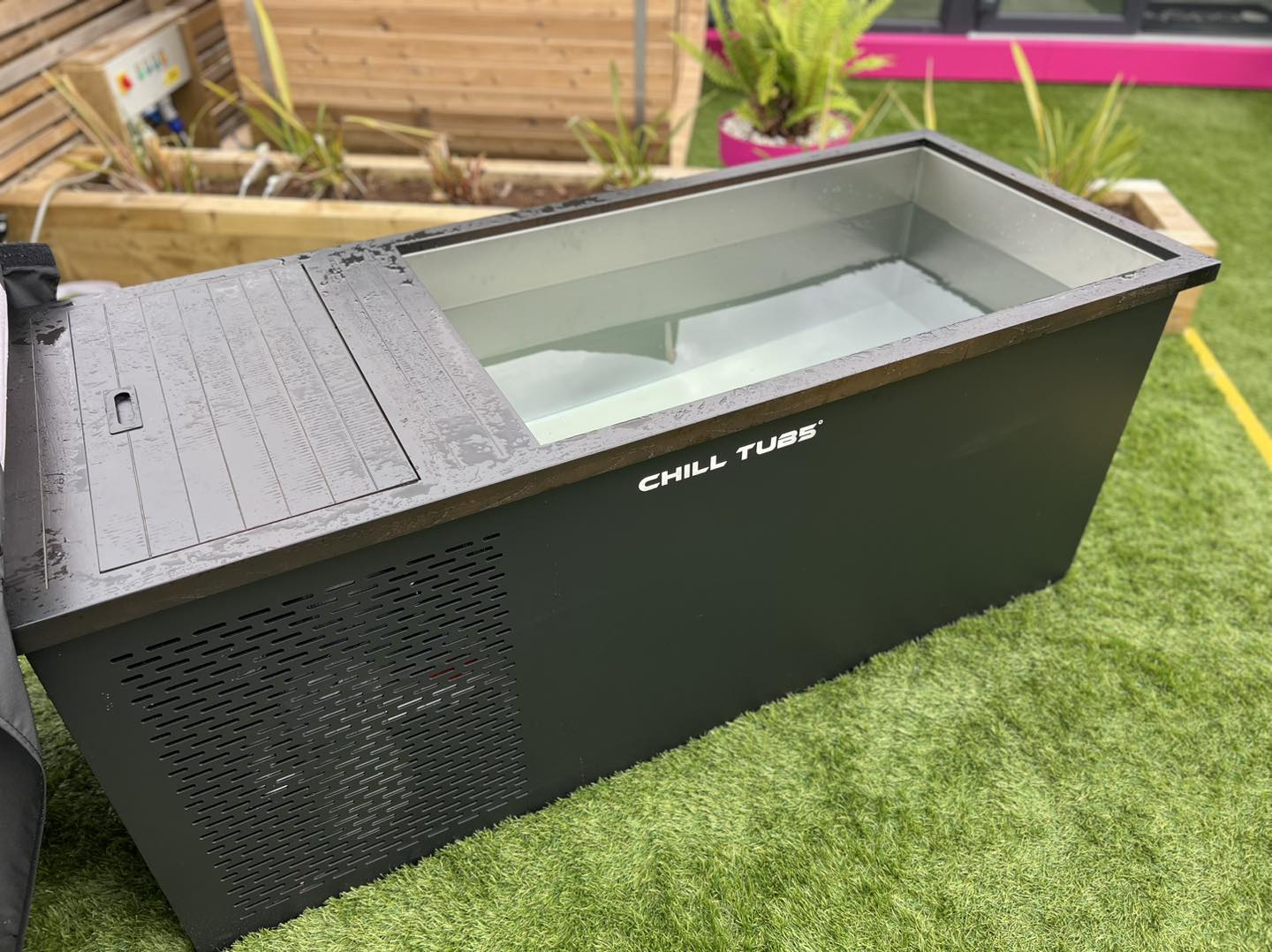
Ice bath recovery — also known as cold water immersion (CWI) — has been a popular method among athletes and fitness enthusiasts for years.
The concept behind this cold water therapy is to submerge the body in water with a temperature around 1 - 5°C for 10 to 15 minutes after exercise. Proponents of ice baths believe that this practice speeds up recovery by reducing muscle temperature, blood flow, and inflammation in muscle tissues.
As you incorporate ice baths into your recovery routine, you might wonder about their effectiveness and potential benefits. Research on ice baths has yielded mixed results, with some studies supporting their role in reducing muscle soreness and speeding up muscle recovery, while others suggest that active recovery, such as low-intensity exercise on a stationary bike, could be equally beneficial.
It is essential to take into consideration your individual circumstances and consult with a sports medicine professional before incorporating ice baths into your routine.
Despite the varying views on ice bath benefits, they remain a common practice among athletes for alleviating exercise-induced muscle soreness and stiffness. Ultimately, the decision to use ice baths for recovery depends on your personal preferences and how your body responds to this form of cold water therapy.
Ice baths are a popular cold therapy method for athletes and fitness enthusiasts. By immersing your body in cold water, you trigger a cold shock response.
This constriction of blood vessels is known as vasoconstriction, which in turn decreases inflammation by reducing the blood flow to the muscles. The cold temperatures also help numb the nerve endings, providing temporary relief from muscle soreness and pain.
One key benefit of ice baths is the impact on blood flow and muscles. When you step into an ice bath, your body responds by constricting the blood vessels in an effort to conserve heat. This vasoconstriction helps flush out metabolic waste and reduces inflammation.
Once you leave the ice bath and your body starts to rewarm, the blood vessels dilate, or expand. This process, known as vasodilation, allows for an increased blood flow to the affected muscles, providing a fresh supply of oxygen and nutrients.
As a result, ice baths have been found to enhance perceived recovery. A Cochrane review of 17 trials (Bleakley et al.) found that cold water immersion reduces delayed onset muscle soreness (DOMS) at 24, 48, 72 and even 96 hours after exercise compared with passive rest, and a 2022 systematic review and meta-analysis published in Sports Medicine found it also lowers creatine kinase (CK) levels — a blood marker of muscle damage — following high-intensity exercise.
Beyond soothing sore muscles and reducing inflammation, ice baths have been found to have some positive effects on physical performance. The same 2022 Sports Medicine meta-analysis found that cold water immersion improves the recovery of muscular power in the 24 hours after intense exercise — relevant to power-based movements such as jumps and sprints.
The picture on lactate is less clear-cut. A review by sports scientist Shona Halson notes that some studies have found substantially lower blood lactate levels after contrast water therapy compared with active recovery, but that lactate removal doesn't always translate into better performance in a subsequent effort — so it's best not to rely on lactate clearance alone as the reason to reach for an ice bath.
Ice baths don't have to be used on their own. Contrast therapy — alternating between a hot sauna session and a cold plunge, usually in short rounds — is a well-established recovery technique among athletes and coaches, and one worth considering alongside cold water immersion by itself.
A 2013 review published in Sports Medicine (Versey, Halson & Dawson) found that contrast water therapy tends to work best when roughly equal time is spent in hot and cold water, with short individual immersions of around a minute each, up to a total of about 15 minutes. A separate 2013 systematic review and meta-analysis in PLOS ONE (Bieuzen, Bleakley & Costello) found contrast water therapy significantly reduced muscle soreness and strength loss compared with passive rest, although it didn't clearly outperform other active recovery methods, including cold water immersion on its own.
If you'd like to build contrast therapy into your own recovery routine, an infrared sauna is a practical way to generate the "hot" side of the cycle at home. We stock a range of infrared saunas that pair naturally with our ice baths for a full hot-cold recovery setup.
As an athlete, it's essential to weigh the potential benefits and risks of ice baths and consider individual factors before incorporating them into your recovery routine.
Certain medical conditions require extra caution when considering ice baths for recovery:
Ice baths can be a useful tool for muscle recovery and pain relief as part of your active recovery routine. In this section, we will discuss the proper setup and duration for ice baths to maximise their benefits.
As for the frequency and timing of your ice baths, consider the following guidelines:
Once you get out, the priority is to rewarm gradually rather than jumping straight into a hot shower, as a sudden swing from very cold to very hot can leave you lightheaded. Dry yourself off fully and get into warm, dry clothing — including a hat and socks, since heat is lost quickly from your extremities — then move around gently, with some light walking or stretching, to help your body rewarm naturally as normal blood flow returns to your muscles. If you're still in your first few sessions, it's sensible to have someone nearby until you know how your body responds.
Following these tips should help you maximise the potential benefits of ice baths for muscle recovery, pain relief, and improved circulation.
Remember to listen to your body and consult with a medical professional if you have any concerns or questions about whether ice baths are right for you.
Cold water immersion in the form of ice baths has been reported to provide various mental health benefits. Experiencing an ice bath can lead to an elevated mood and relief from symptoms of depression. When your body is exposed to cold temperatures, it responds by releasing dopamine, a neurotransmitter responsible for feelings of pleasure and happiness.
Ice baths can also help in reducing anxiety and lowering stress levels. This is because the cold water stimulates the body's stress response, which helps in releasing endorphins and calming the mind. Moreover, the exposure to cold has been found to improve the quality of your sleep.
Furthermore, ice baths can enhance focus and alertness. The sudden immersion in cold water engages a person's sensory system, leading to increased levels of concentration and attention. Therefore, it can be a useful tool to improve your cognitive abilities while promoting relaxation.
It is important to note that ice baths can be used in combination with other wellness routines to yield maximum benefits in overcoming mental health challenges and promoting overall well-being.
| Technique | Effect on Mental Health |
|---|---|
| Mindfulness | Increases self-awareness |
| Exercise | Raises energy levels |
| Healthy Diet | Boosts mood and mental clarity |
| Sleep Hygiene | Improves mood and productivity |
| Ice Baths | Reduces anxiety and depression |
We stock a range of ice baths that we know are top quality, our customers agree. Have a look today and see if anything takes your fancy.
Here is a link to our ice bath collection page:
https://outerluxury.co.uk/collections/ice-baths
Pshhh, we can give you a special discount. Please call, live chat or email us for more Information.